
Planning a home remodel is exciting, but there’s one part of the project that’s easy to underestimate: what you’re going to do with everything you tear out.
Old cabinets, flooring, drywall, lumber, tile, fixtures, and other renovation debris can pile up quickly. Even a relatively small bathroom or kitchen remodel can create more waste than expected.
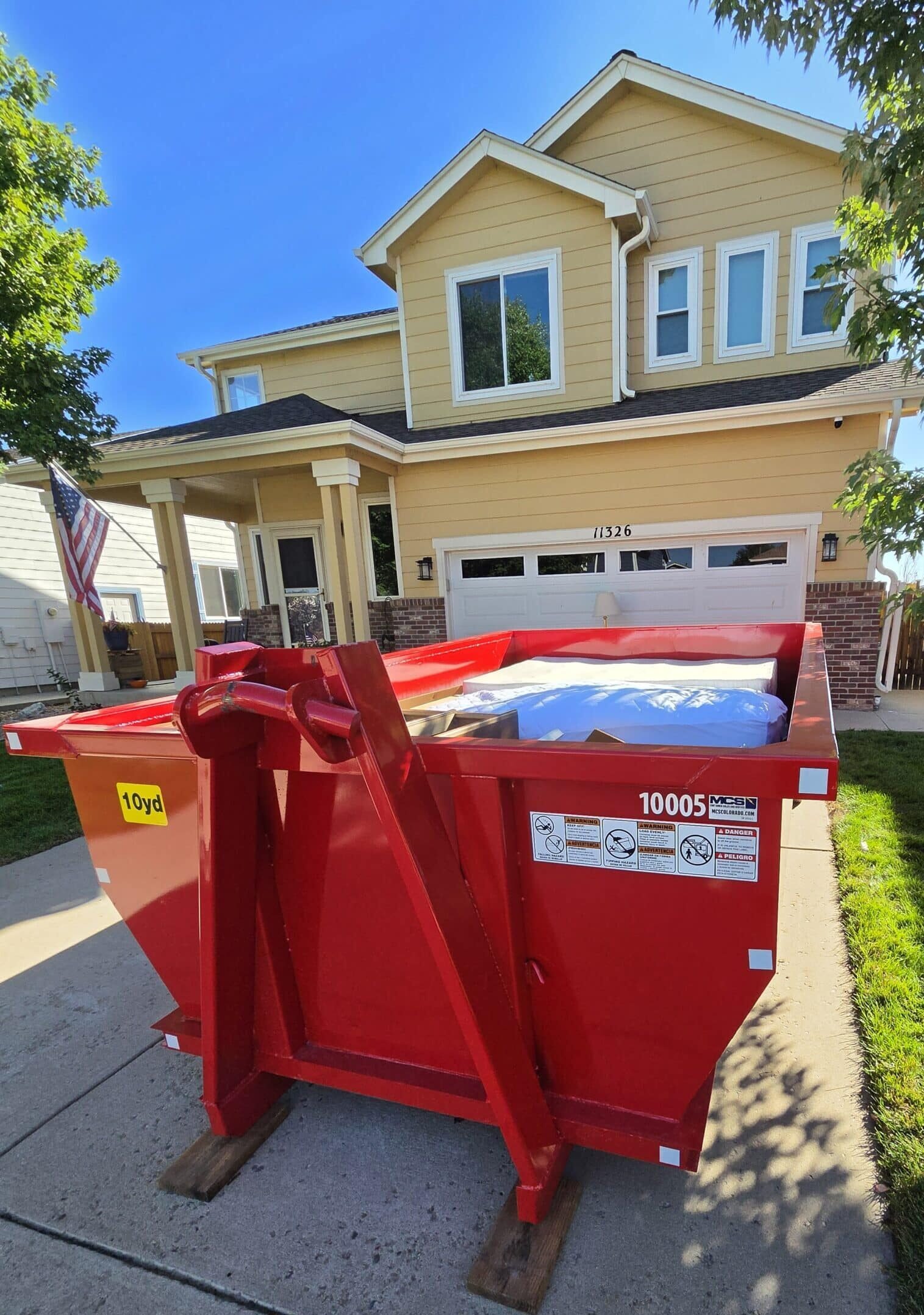
For Longmont homeowners, renting a roll-off dumpster can simplify the process by providing one convenient place for approved debris throughout the project. Instead of making repeated trips to a disposal facility, you can focus on getting the remodel done.
Before scheduling a dumpster, however, a little planning can save you time, space, and unnecessary costs.
Do You Need a Dumpster for Your Longmont Remodel?
A dumpster can be a good choice for remodeling projects that generate more debris than your regular household trash service can reasonably handle.
Common projects include:
- Kitchen remodels
- Bathroom renovations
- Flooring replacement
- Basement renovations
- Deck removal
- Roofing projects
- Larger DIY renovations
The right dumpster will depend on the size of the project, what you’re removing, the weight of the debris, and how long the renovation will take.
If you’re unsure what size you need, don’t guess. Tell McCoy’s Junk Removal & Dumpster Rentals about your project and the materials you’re removing so we can help you determine which available option makes the most sense.
Why Rent a Dumpster for a Home Remodel?
Demolition debris starts accumulating almost immediately. Without a disposal plan, you may quickly find old cabinets stacked in the garage, flooring piled in the driveway, and bags of construction waste taking over your workspace.
Having a roll-off dumpster on-site can help you:
- Keep the work area organized
- Reduce piles of debris around your property
- Avoid repeated disposal trips
- Make cleanup easier throughout the project
- Keep your renovation moving
For DIY homeowners, this means spending more time working on the house and less time loading, driving, and unloading debris.
Longmont Remodeling Projects That May Need a Dumpster
Not every home improvement project requires a dumpster. Painting a bedroom or replacing a few fixtures probably won’t generate enough waste to justify one.
Once demolition is involved, however, the amount of debris can increase quickly.
Here are some of the most common remodeling projects where a dumpster may make sense.
Kitchen Remodels
Kitchens can produce a surprising amount of waste. Cabinets alone take up significant space, especially if they’re removed intact.
Other debris may include:
- Countertops
- Flooring
- Drywall
- Backsplash
- Trim
- Fixtures
- Lumber
- Packaging
Before demolition begins, determine whether cabinets, appliances, or fixtures can be donated, sold, recycled, or reused. This can reduce the amount of material going into your dumpster.
Bathroom Remodels
Bathrooms may be smaller, but materials like tile can be heavy.
A bathroom renovation might include tile, drywall, vanities, flooring, shower materials, cabinetry, and fixtures.
If you’re remodeling more than one bathroom or combining the project with other renovations, consider the entire project when estimating your debris.
Flooring Projects
Replacing flooring throughout a home can generate more waste than homeowners expect.
Carpet and padding can be bulky, while materials such as tile can become very heavy. Tell your dumpster rental company what type of flooring you’re removing so weight can be considered when recommending a dumpster.
Basement & Larger Renovations
Basement renovations and multi-room projects can produce several types of debris at once, including drywall, lumber, flooring, doors, trim, cabinets, fixtures, and household items removed before construction begins.
When estimating your needs, consider both the demolition and construction phases of the project.
Roofing and Outdoor Projects
Roofing, deck removal, fencing, and other exterior projects may also benefit from a dumpster.
Keep in mind that roofing shingles and some landscaping or construction materials can be particularly heavy. Always tell McCoy’s what you’re disposing of before loading materials such as shingles, concrete, dirt, or other dense debris.
Choosing the Right Dumpster Size
Choosing a dumpster doesn’t have to involve calculating the exact cubic yardage of everything you’re throwing away.
Instead, think about:
- How many rooms are being renovated?
- What materials are being removed?
- Are there bulky items like cabinets?
- Are there heavy materials like tile or shingles?
- How long will the project last?
- Will you generate additional debris during construction?
Don’t automatically choose the smallest dumpster because it costs less. If it’s too small, needing another haul or rental could increase your total cost.
At the same time, you don’t necessarily need the largest option available.
For a more detailed breakdown, read our How to Choose the Right Dumpster Size for Your Project guide.
Remember: Weight Matters Too
Dumpster capacity isn’t only about how much material physically fits.
Two dumpsters can look equally full but have dramatically different weights. One might contain cabinets, cardboard, and household items while another contains tile or roofing shingles.
Heavy materials can include:
- Concrete
- Brick
- Dirt
- Tile
- Roofing shingles
- Certain demolition materials
If your Longmont remodeling project includes heavy debris, mention it when requesting your quote. That allows McCoy’s to recommend the appropriate option and explain any relevant weight requirements.
Prepare Your Longmont Property for Dumpster Delivery
Decide where your dumpster should go before delivery day.
Driveways are a common option for residential dumpster rentals, but the location needs enough room for both the dumpster and safe delivery.
Think about whether the placement will block:
- Your garage
- Vehicles
- Contractor access
- Construction entrances
- Materials or equipment
Before delivery, move vehicles, trailers, toys, trash cans, construction materials, and other obstacles out of the area.
Don’t forget to look up. Low tree branches, wires, basketball hoops, and other overhead obstacles can interfere with delivery.
If you have concerns about your driveway or placement area, discuss them with McCoy’s when scheduling.
Check HOA and Permit Requirements
If your property is part of an HOA, check whether there are rules regarding temporary dumpsters or construction containers.
You should also verify current requirements if you’re considering placing a dumpster on a public street or right-of-way. Rules can vary depending on placement and municipality, so confirm requirements for your specific situation before delivery.
Schedule Your Dumpster Around Demolition
Timing matters.
For most remodeling projects, the largest amount of waste is generated during demolition. Having your dumpster delivered before demolition begins allows approved debris to go directly into the container instead of accumulating around your home.
If you’re working with a contractor, ask whether debris removal is already included in the project estimate.
It’s also helpful to clarify:
- Who is responsible for the dumpster
- What materials will go into it
- Who schedules pickup
- Whether subcontractors will use it
You don’t want to accidentally pay for disposal twice.
Know What Can Go in the Dumpster
Not everything can automatically go into a roll-off dumpster.
Common remodeling debris may include materials such as drywall, lumber, flooring, cabinetry, and certain construction waste. Other items may require special handling or may not be accepted.
Before your project begins, tell McCoy’s what you expect to throw away—especially if it includes:
- Paint or chemicals
- Batteries
- Electronics
- Appliances
- Tires
- Concrete or dirt
- Roofing materials
- Other unusually heavy materials
Make Your Longmont Remodel Cleanup Easier
A successful remodel requires more than choosing cabinets, flooring, and paint colors. Having a plan for renovation debris can help keep your property organized and your project moving.
Before your Longmont remodel begins, think about what you’re removing, how much debris you’ll generate, where your dumpster will go, and when you’ll need it delivered.
You don’t have to determine the exact dumpster size yourself.
McCoy’s Junk Removal & Dumpster Rentals provides roll-off dumpster rentals for homeowners, contractors, property managers, and other customers in Longmont and throughout Northern Colorado.
Planning a remodel in Longmont? Contact McCoy’s Dumpster Rentals today to request a quote and get help choosing the right dumpster for your project.
Frequently Asked Questions
What size dumpster do I need for a home remodel?
It depends on the size of the renovation and the materials you’re removing. A bathroom remodel may produce far less debris than a kitchen or multi-room renovation. Tell McCoy’s about your project for help selecting an appropriate available size.
When should I schedule my dumpster?
For most remodels, having the dumpster delivered before demolition begins is the most convenient option.
What if I have more debris than expected?
Contact McCoy’s before overfilling your dumpster. We can help determine the appropriate next step based on your rental and project.