Tearing down that outdated, cramped kitchen to make way for a modern culinary oasis is incredibly exciting. You have picked out the gleaming quartz countertops, the soft-close shaker cabinets, and the stainless-steel appliances.
But there is one crucial detail that homeowners often overlook until it is piled high in their living room: the demolition debris.
A standard kitchen remodel generates a staggering amount of construction waste. We are talking about hundreds of pounds of old drywall, splintered cabinetry, heavy floor tiles, tangled copper wiring, and massive cardboard boxes from your new fixtures. If you do not have a proactive plan for your kitchen remodel waste management, that dream project can quickly turn into a chaotic, dust-filled nightmare.
Whether you are a DIY warrior tackling a weekend demo or working alongside a professional contractor, handling construction debris disposal properly will save you time, money, and a massive headache. Here is your step-by-step guide to managing the mess.
Step 1: Estimate Your Debris Volume Early
Before you take a sledgehammer to your drywall, you need to understand exactly what you are getting rid of. The scope of your renovation dictates your disposal strategy.
Cosmetic Updates: Are you just replacing the countertops and swapping out the backsplash? The waste will be relatively minimal.
Partial Remodels: Tearing out old cabinets and flooring requires significant disposal space.
Gut Renovations: Taking a kitchen down to the studs generates massive volume, including insulation, framing, drywall, and plumbing fixtures.
By taking inventory of what needs to leave the house, you can decide whether you need a few trips to the local landfill or a heavy-duty solution.
Step 2: Donate or Sell the Salvageable Stuff
One of the best ways to reduce your disposal footprint is to realize that your “trash” might actually be someone else’s treasure. Just because you hate your 1990s oak cabinets doesn’t mean they belong in a landfill.
Working Appliances: Ovens, dishwashers, and refrigerators that still function can easily be donated to local charities like Habitat for Humanity’s ReStore, or sold on local online marketplaces.
Intact Cabinetry: If you remove cabinets carefully without smashing them, many remodeling salvage yards will take them off your hands.
Hardware and Sinks: Faucets, handles, and intact stainless steel sinks are highly reusable.
Donating these items not only keeps heavy materials out of the landfill, but many charitable organizations will even provide you with a tax-deductible receipt!
Step 3: Sort and Recycle Your Construction Waste
Not all debris is garbage. Separating your materials as you tear them down makes recycling much easier.
If you toss everything into one giant pile, recycling facilities will often reject the load due to contamination. Instead, set up distinct zones in your garage or yard for:
Metals: Copper piping, brass fixtures, and aluminum framing are highly recyclable and often accepted at local scrap yards.
Cardboard: New cabinets and appliances come with mountains of packaging. Break down all cardboard boxes and keep them dry.
Clean Wood: Untreated, unpainted wood can often be chipped into mulch or repurposed.
Step 4: Choose the Right Disposal Strategy
Once you have donated the good stuff and sorted the recyclables, you are still going to be left with a mountain of unusable construction debris—things like broken tiles, shattered drywall, and rotting subfloors. You generally have three options to make it disappear:
The DIY Landfill Run
If you own a heavy-duty pickup truck and have a lot of free time, you can haul the debris to the local dump yourself. However, this means taking time away from your actual remodeling work, paying multiple gate fees at the landfill, and risking serious damage to your personal vehicle.
Rent a Roll-Off Dumpster (The Best Option for Remodels)
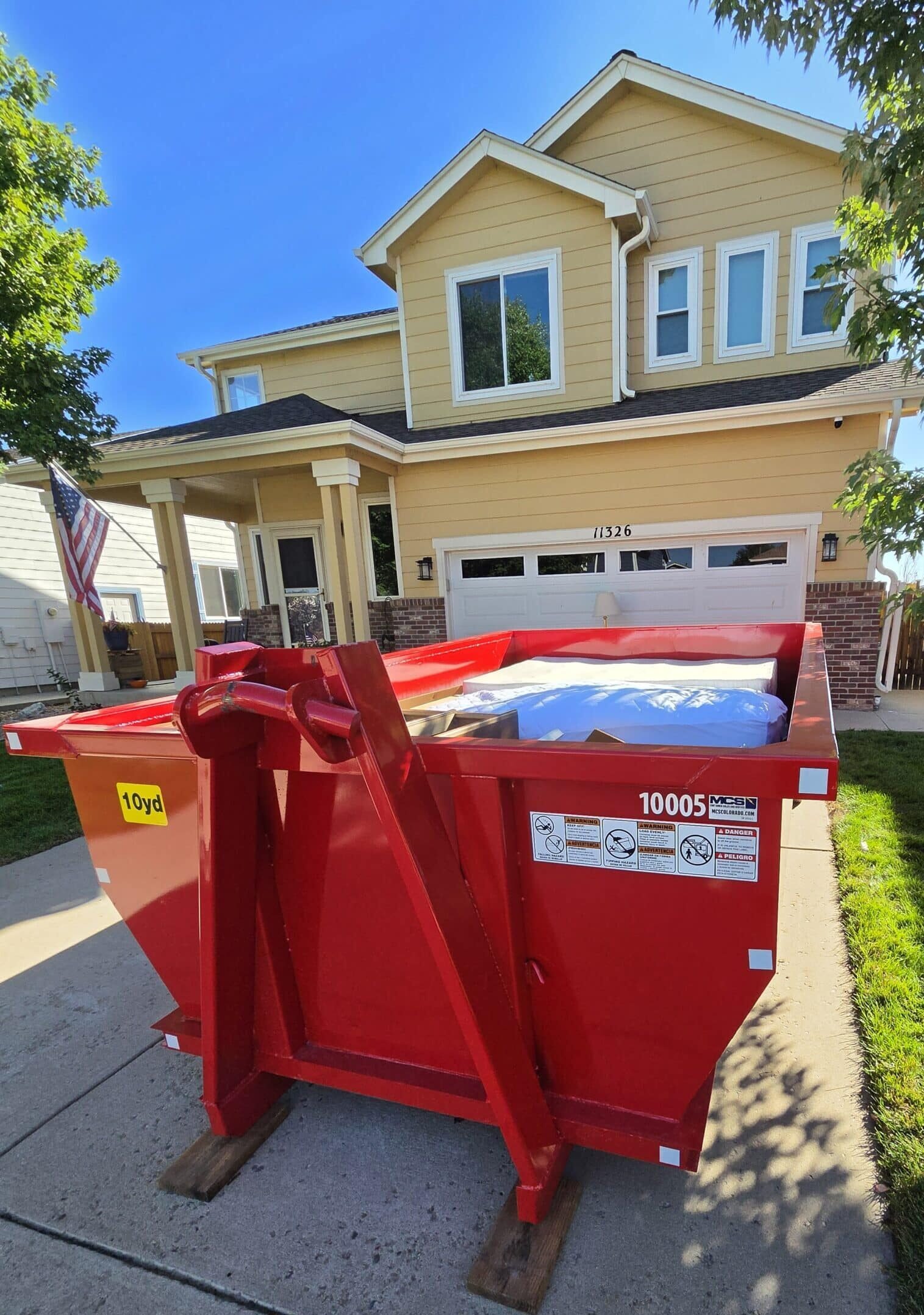
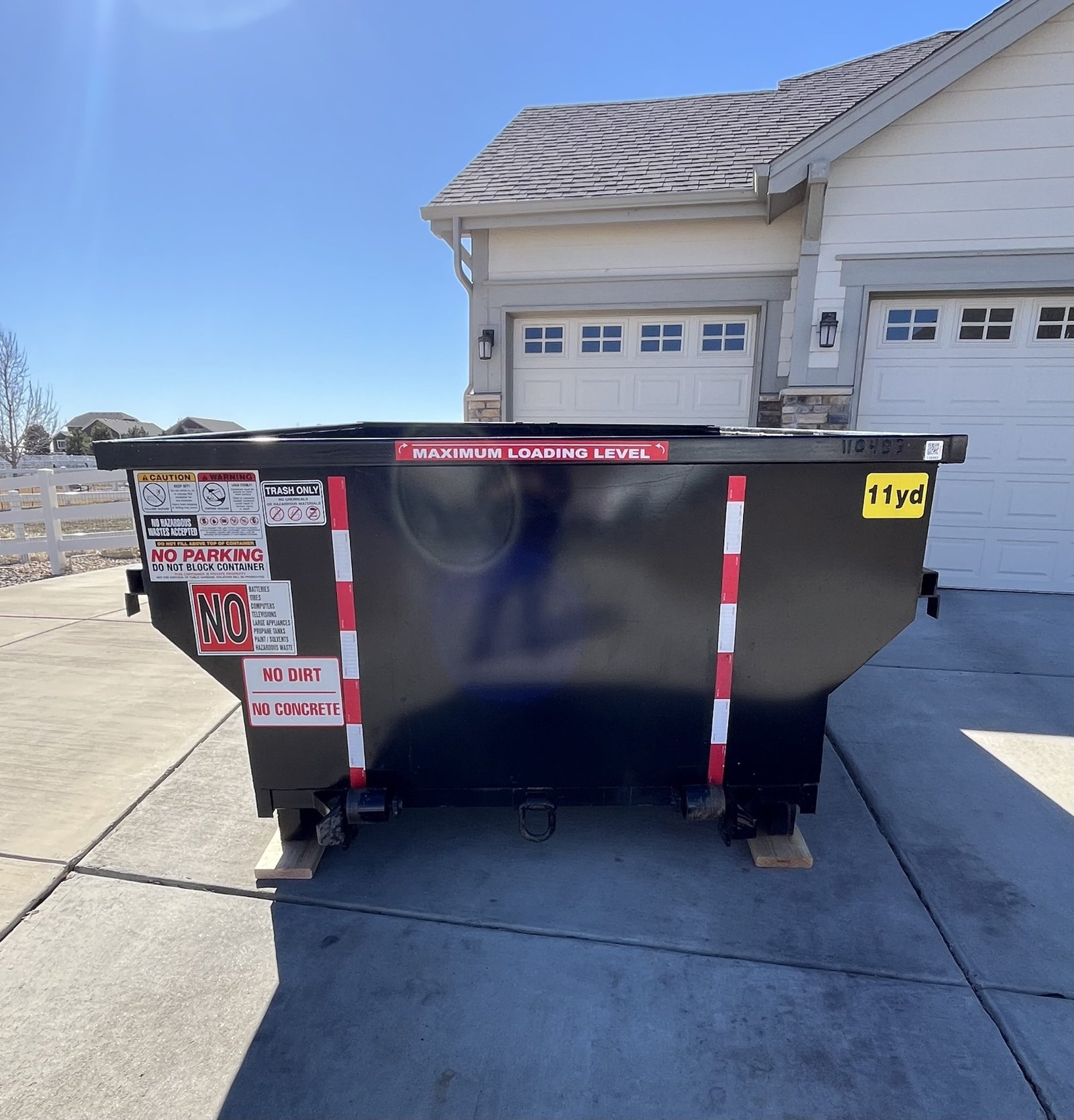
Having a metal container sitting just steps from your front door is the ultimate convenience. You simply carry the broken tiles and drywall out of the house and toss them in as you work. This keeps your job site incredibly clean and safe.
If you decide to go this route, you will want to review the available dumpster rental services to match the bin size to your project. A 15-yard or 20-yard dumpster is typically the “sweet spot” for a standard kitchen tear-out. To budget accurately, always check the upfront pricing so you know exactly what your flat rate covers, avoiding the hidden overage fees that national brokers are famous for.
Hire a Full-Service Hauling Crew
What if your HOA doesn’t allow dumpsters, or you physically cannot lift heavy debris like a cast-iron sink? That is where a professional crew steps in. By hiring a specialized team like McCoy’s Junk Removal, you just point at the pile of debris in your kitchen, and they carry it all out, load it into their specialized box trucks, and sweep up the dust before they leave. It is the ultimate white-glove solution.
Step 5: Keep Hazardous Materials Out of the Bin
Whether you rent a dumpster or hire a crew, remember that local environmental laws strictly prohibit certain items from going to the landfill. During a kitchen remodel, keep a close eye out for:
Liquid Paints and Solvents: Old paint cans hidden under the sink cannot be thrown away unless the paint is completely dried out and rock-solid.
Freon Appliances: Refrigerators must have their cooling chemicals professionally drained and tagged before disposal.
Chemical Cleaners: Harsh household chemicals must be taken to a designated hazardous waste facility.
Ready to Clear the Debris?
A kitchen remodel is stressful enough without constantly tripping over piles of broken drywall and splintered wood. By planning your waste management strategy before you swing the first hammer, you keep your project moving smoothly, safely, and entirely on schedule.
Whether you need a driveway container to load at your own pace or a professional crew to handle the heavy lifting for you, having a reliable local partner is essential. Let us handle the mess so you can get back to designing the kitchen of your dreams. Feel free to contact our team today to discuss your project timeline and reserve your cleanup solution!