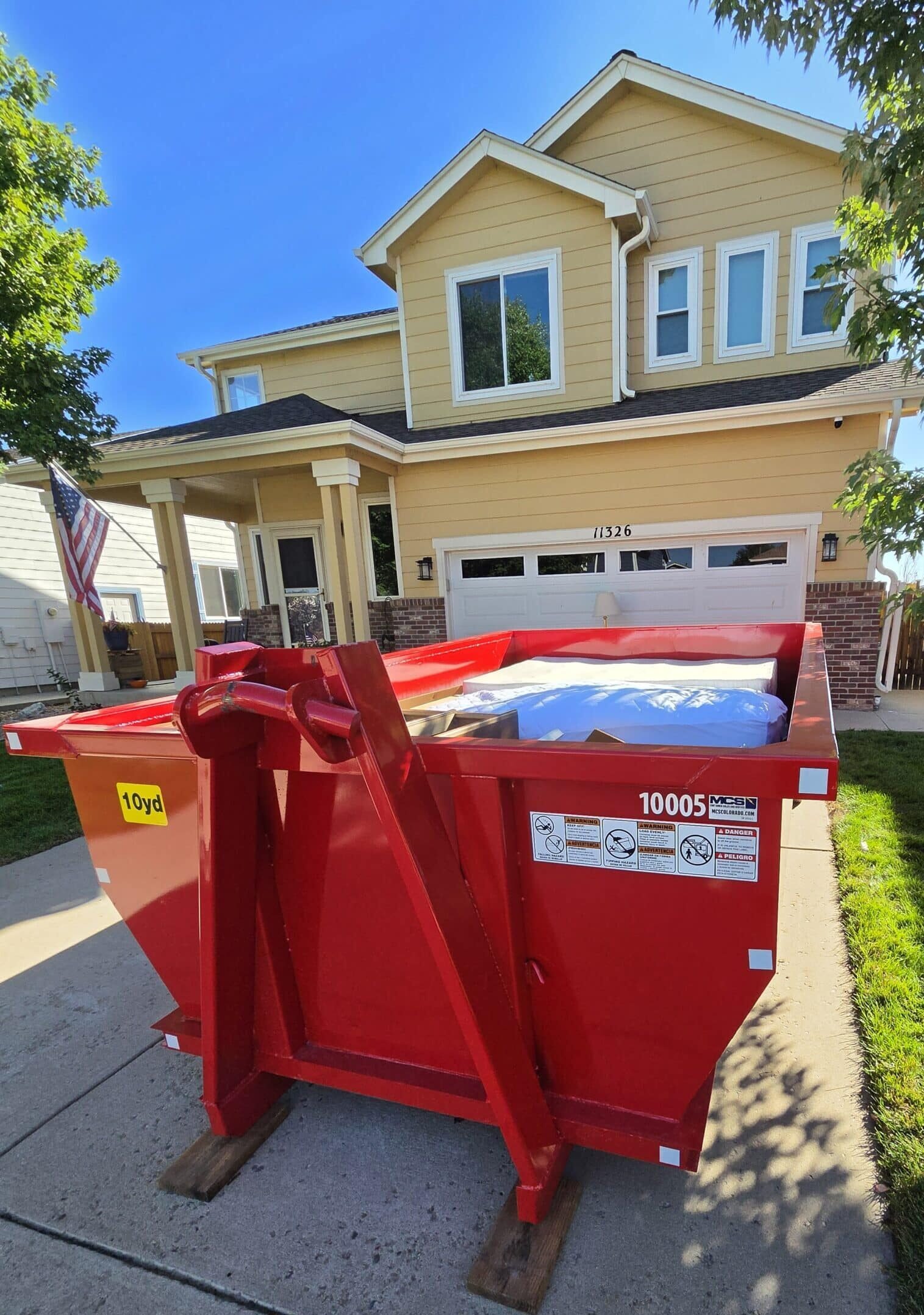
Summer has a way of turning “we should update that someday” into “let’s finally get this done.” Longer days, better weather, and easier outdoor access make it one of the most popular times for home renovations. Kitchens get opened up. Bathrooms get refreshed. Old flooring comes out. Walls, cabinets, vanities, tile, and trim suddenly have to go somewhere.
That is where planning your cleanup matters.
A smart summer home renovation is not just about choosing paint colors or new fixtures. It is also about knowing how much waste your project will create and having the right dumpster rental or removal plan in place before debris starts stacking up in the driveway.
This guide from McCoys Dumpsters explains what to expect from common renovation projects, what size dumpster may make sense, and how to keep your project moving without a messy slowdown.
Why Summer Renovation Cleanup Needs a Plan
Summer is a great season for renovation projects because it is easier to open windows, work outside, haul materials, and schedule contractors. But summer can also make cleanup feel urgent. Nobody wants piles of construction debris sitting in the yard during cookouts, family visits, or stormy weather.
Most home renovation waste is bulky, awkward, and heavier than it looks. Cabinets do not stack neatly. Tile adds weight quickly. Flooring comes out in long strips or broken pieces. Drywall dust spreads everywhere. Even a small bathroom remodel can create more debris than a few trash bags can handle.
A dumpster helps keep the work area safer and more organized by giving you one central place for debris. It can also help reduce repeated trips to a disposal site, which saves time during a season when schedules are already full.
Kitchen Remodels: Expect Bulky Debris Fast
Kitchen remodels are some of the most rewarding home renovations, but they are also some of the messiest. Even a light kitchen update can produce a surprising amount of waste.
Common kitchen renovation debris includes:
- Old cabinets and drawers
- Countertops
- Sink and faucet materials
- Backsplash tile
- Flooring
- Drywall or plaster
- Packaging from new appliances and materials
- Trim, shelving, and small fixtures
If you are only replacing countertops or removing a small section of cabinets, a smaller dumpster may be enough. But if you are doing a full kitchen remodel with cabinets, flooring, backsplash, and light demo, you will likely need more space.
Cabinets are the main reason kitchen waste gets bulky. They take up a lot of room even when broken down. Countertops can also be heavy, especially if they include stone, tile, or older layered materials. Before you rent, think about both the volume and the weight of the debris.
For many kitchen remodels, homeowners often look at a mid-sized dumpster because it offers room for bulky items without being oversized for a residential driveway.
Bathroom Renovation Cleanup: Small Room, Heavy Waste
A bathroom renovation may take place in one of the smallest rooms in the house, but the debris can be dense. Tile, tubs, toilets, vanities, cement board, plaster, and flooring can add weight quickly.
A bathroom remodel may generate waste such as:
- Wall tile and floor tile
- Vanity cabinets and countertops
- Toilets, sinks, and fixtures
- Bathtubs or shower surrounds
- Drywall, backer board, or plaster
- Old flooring and trim
The amount of waste depends on how deep the renovation goes. A cosmetic bathroom update with a vanity swap and new flooring is very different from a full gut job with tile demolition and shower removal.
If you are removing tile, be especially careful with weight. Tile and mortar are much heavier than wood, vinyl, or drywall. In some cases, a smaller dumpster with a higher weight limit is better than filling a large container too heavily.
A good cleanup plan also helps protect the rest of the house. Bathroom demo debris is often dusty and sharp, so moving it directly to a dumpster can keep hallways, living spaces, and entryways cleaner.
Flooring Projects: Measure the Square Footage First
Flooring replacement is one of the most common summer home renovation projects. It can update the entire feel of a home, improve curb appeal when connected to entry areas, and make rooms feel cleaner and more modern.
But old flooring creates a lot of waste. The type of flooring matters.
Common flooring debris includes:
- Carpet and padding
- Laminate flooring
- Vinyl plank or sheet vinyl
- Hardwood boards
- Tile and mortar
- Baseboards and transition strips
- Underlayment
Carpet and padding are bulky but usually lighter. Tile is compact but heavy. Hardwood and laminate fall somewhere in the middle, depending on thickness and square footage.
Before choosing a dumpster size, measure the rooms where the flooring will be removed. A single bedroom may not require much space, but replacing flooring throughout a first floor can create a large pile fast. Also, remember that flooring waste rarely lies perfectly flat once removed. Rolled carpet, broken tile, and cut boards all take up extra room.
Light Demo Projects: Do Not Underestimate the “Small Stuff”
Light demo sounds simple. Maybe you are removing a half wall, tearing out built-ins, replacing old paneling, or opening up a laundry area. But once demolition starts, the amount of waste can grow quickly.
Light demolition debris may include:
- Drywall
- Wood framing
- Doors
- Trim and molding
- Shelving
- Insulation
- Paneling
- Small fixtures
- Nails, screws, and hardware
These materials are often awkward rather than extremely heavy. That means your dumpster may fill because of shape and volume, not just weight. Breaking down materials before loading can help you use space better.
If your light demo is part of a larger renovation, plan for the full project instead of just the first phase. Many homeowners start with one room and then add “while we’re at it” tasks. A little extra dumpster space can make that flexibility easier.
How to Choose the Right Dumpster for a Summer Home Renovation
The right dumpster depends on the project type, amount of waste, and how much space you have for placement. McCoys offers dumpster options for different cleanup needs through its local dumpster rental services, making it easier to match the container to the job.
When estimating your project, ask:
- Are you removing bulky items like cabinets, vanities, or carpet?
- Are you removing heavy materials like tile, plaster, or countertops?
- Is this one room or multiple rooms?
- Will you have packaging from new materials?
- Do you have driveway space for the dumpster?
- Will the project happen in phases or all at once?
If you are between two sizes, choosing the larger option can sometimes be more efficient than needing a second pickup. Overfilled dumpsters may not be safe to haul, so it is better to plan realistically.
What Not to Toss Without Asking First
Most renovation debris can go into a construction-friendly dumpster, but not everything belongs there. Rules can vary by location and material type, so it is always smart to confirm before loading.
Ask about items such as:
- Paints, stains, and solvents
- Chemicals and cleaners
- Appliances
- Electronics
- Tires
- Batteries
- Hazardous materials
- Certain types of treated materials
Keeping restricted items out of the dumpster helps avoid delays, extra fees, and disposal problems.
When Junk Pickup Makes More Sense Than a Dumpster
A dumpster is ideal when you want to load debris as the project moves along. But sometimes you do not need a container sitting on-site. If your renovation debris is already piled up, or you need quick help removing bulky items, a pickup option may be a better fit.
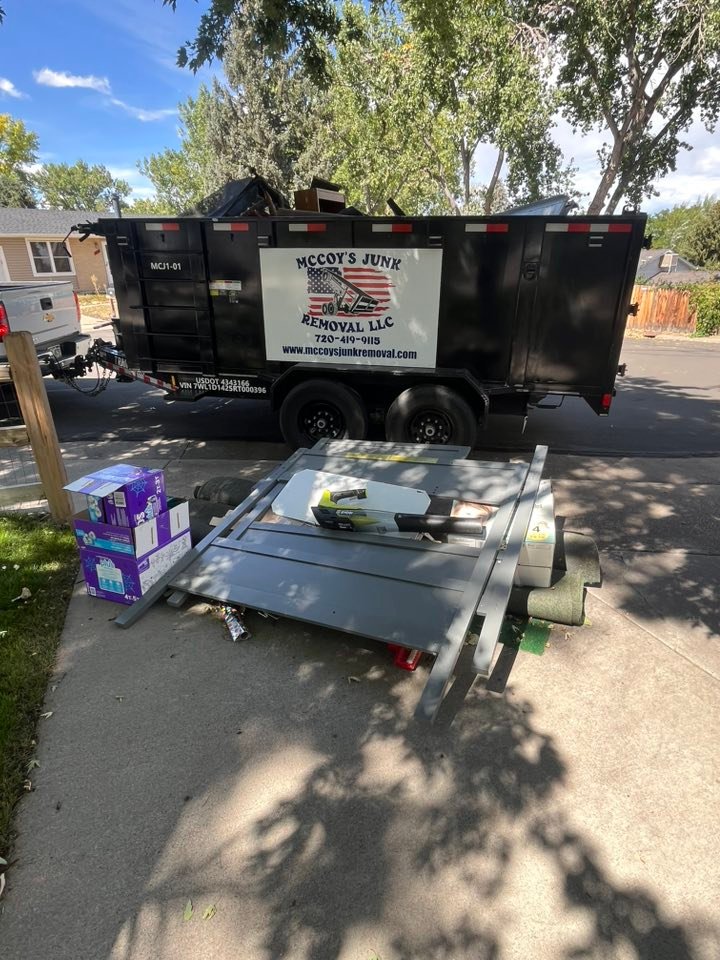
For homeowners who want fast cleanup without loading everything themselves, McCoys also provides same-day junk pickup options in the Tri-Town area.
This can be especially helpful after a smaller bathroom renovation, a flooring tear-out, or a light demo project where the debris is ready to go.
Make Your Summer Renovation Cleaner From the Start
The best renovation cleanup is the one you plan before the first cabinet, tile, or flooring plank comes out. Summer projects move faster when debris has a place to go, work areas stay clear, and you are not stopping mid-project to figure out disposal.
Whether you are updating a kitchen, refreshing a bathroom, replacing flooring, or handling light demo, choosing the right cleanup solution can keep your project safer, smoother, and less stressful.
A cleaner renovation is not just about the finished room. It starts with a plan for everything you remove along the way.