Platteville has deep, proud agricultural roots. From the sweeping cornfields to the sprawling cattle properties that line the South Platte River valley, farming isn’t just a business here in Weld County—it is a generational way of life.
But as any Colorado farmer knows, agricultural properties accumulate “stuff” at an astonishing rate. Over decades, that massive pole barn or outbuilding stops being a functional workspace and slowly transforms into a graveyard for rusted tractor parts, splintered fencing, rotted hay, and forgotten tools.
When it is finally time to reclaim that space—whether you are prepping the property for a sale, recovering from severe Front Range weather damage, or simply making room for new livestock—you are facing a massive logistical hurdle. A barn cleanout isn’t a simple weekend garage sweep. It is a heavy-duty, large-scale debris removal project.
Here is your comprehensive guide to tackling farm and barn cleanouts in Platteville safely, legally, and efficiently.
The Unique Challenges of Agricultural Cleanouts
Clearing out a residential home usually involves old furniture and cardboard boxes. Clearing out a farm involves heavy, unpredictable, and sometimes dangerous materials.
If you are gearing up for a major property sweep in Platteville, you will likely encounter:
Massive Weight: Water-logged hay, broken concrete slabs from old feeding troughs, and dense structural timber.
Rusted Metal: Miles of tangled barbed wire, corrugated tin roofing, and heavy iron machinery parts.
Severe Weather Debris: Platteville is no stranger to intense windstorms and the occasional tornado. You may be dealing with twisted metal and uprooted structures that require careful extraction.
Pest Hazards: Old barns are havens for rodents. Disturbing decades of dust and droppings requires proper respiratory protection to avoid health risks like Hantavirus.
Because of the sheer scale and the safety risks involved, you need a proactive, step-by-step strategy.
Step 1: The “Salvage and Scrap” Phase
Before you throw everything into a massive pile, recognize that a lot of farm “junk” actually has value.
Scrap Metal: Old plows, broken engine blocks, and steel siding can be hauled to a local metal recycling yard. Not only does this keep massive amounts of weight out of the landfill, but scrap yards will often pay you for the steel and iron.
Reclaimed Wood: Authentic, weathered barn wood is incredibly popular for modern interior design. If your barn’s siding or structural beams are intact, local architectural salvage companies may be interested in taking the wood off your hands.
Step 2: Choosing Your Debris Removal Strategy
Once the salvageable metal and wood are gone, you will be left with the true debris: rotted lumber, broken tools, shredded tarps, and general agricultural waste. You are going to need serious volume to haul it away.
Depending on your available manpower, you have two primary options for handling the mess:
Option A: Heavy-Duty Roll-Off Dumpsters
If you have a skid steer, a tractor with a front-end loader, or a dedicated crew of farmhands, renting a roll-off container is the most efficient DIY method. You can park the bin right next to the barn and load it at your own pace.
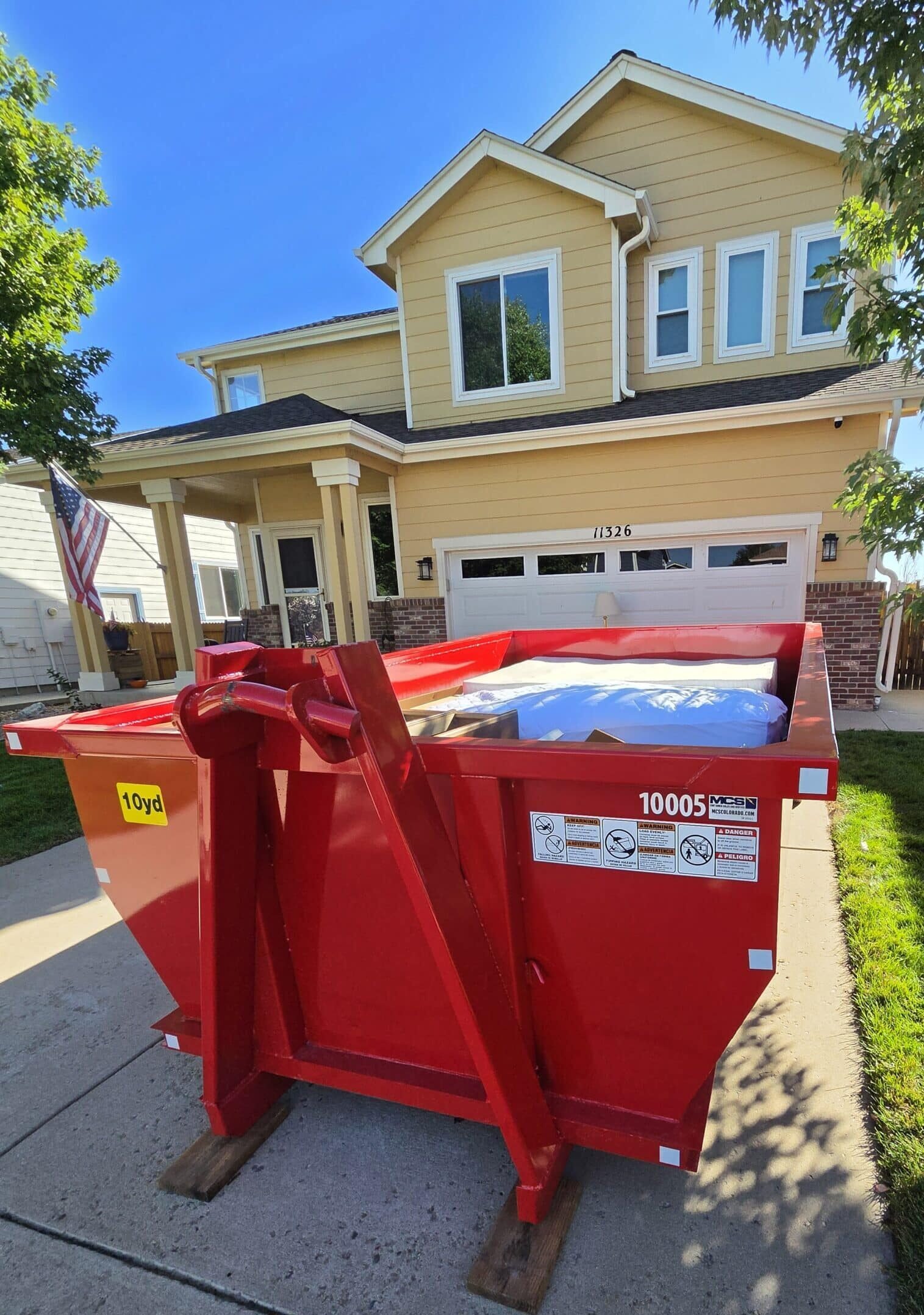
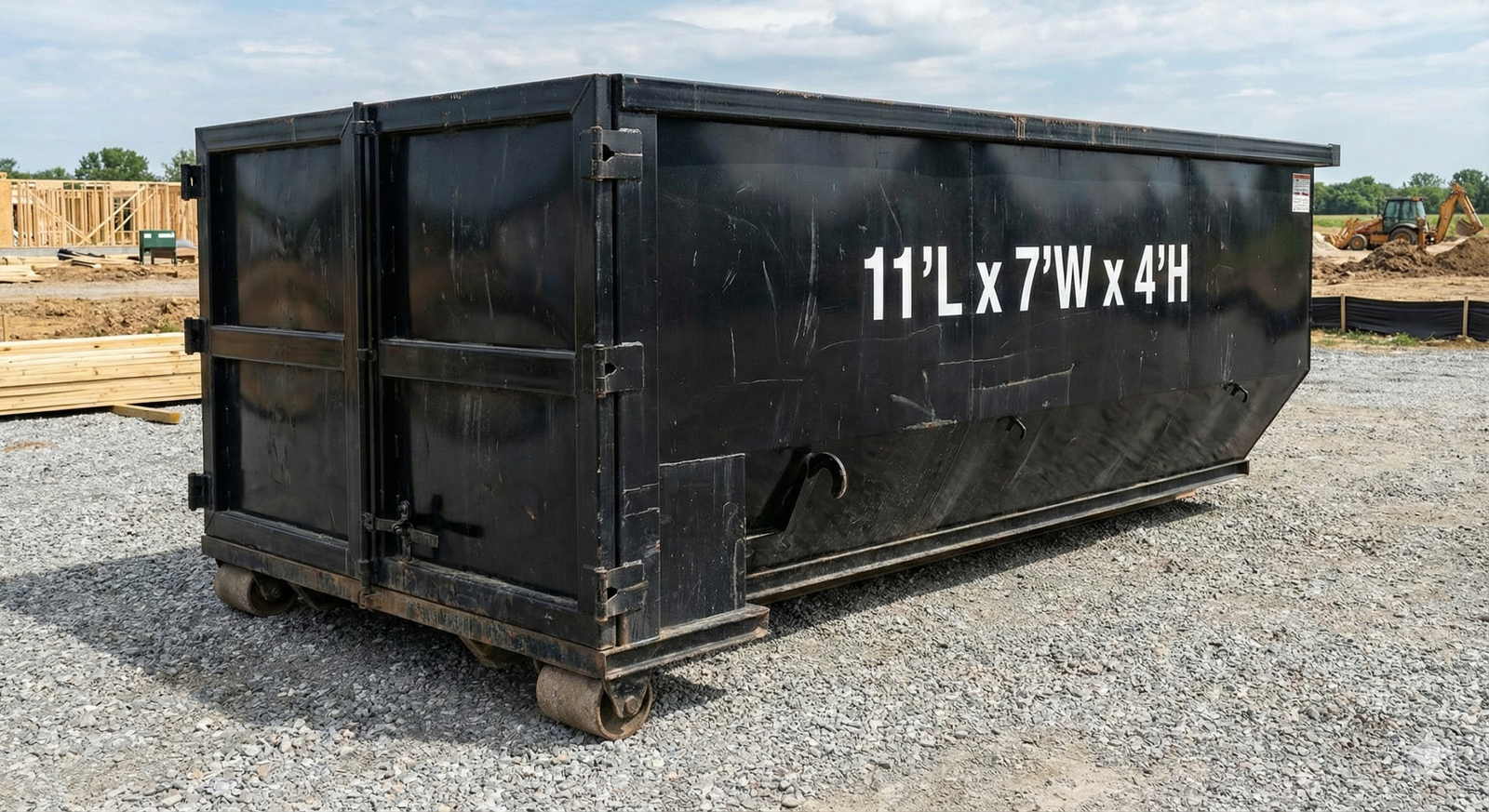
For agricultural projects, matching the bin to the material is critical. If you are tearing up old concrete pads or shoveling out heavy dirt, you will need a compact, heavy-duty 9-yard bin to comply with road weight limits. If you are tossing out bulky, lightweight items like old stall mats, wooden pallets, and plastic piping, a massive 20-yard bin is ideal.
You can explore our variety of dumpster rental services to find the exact container size that fits your farm’s specific project scope. To keep your agricultural overhead low, always review the upfront pricing to ensure you are getting a flat rate without any hidden fuel surcharges or surprise broker fees.
Option B: Full-Service Farm Cleanouts
What if the barn is structurally unsafe, or you simply do not have the time to spend a week hauling heavy debris in the Colorado heat?
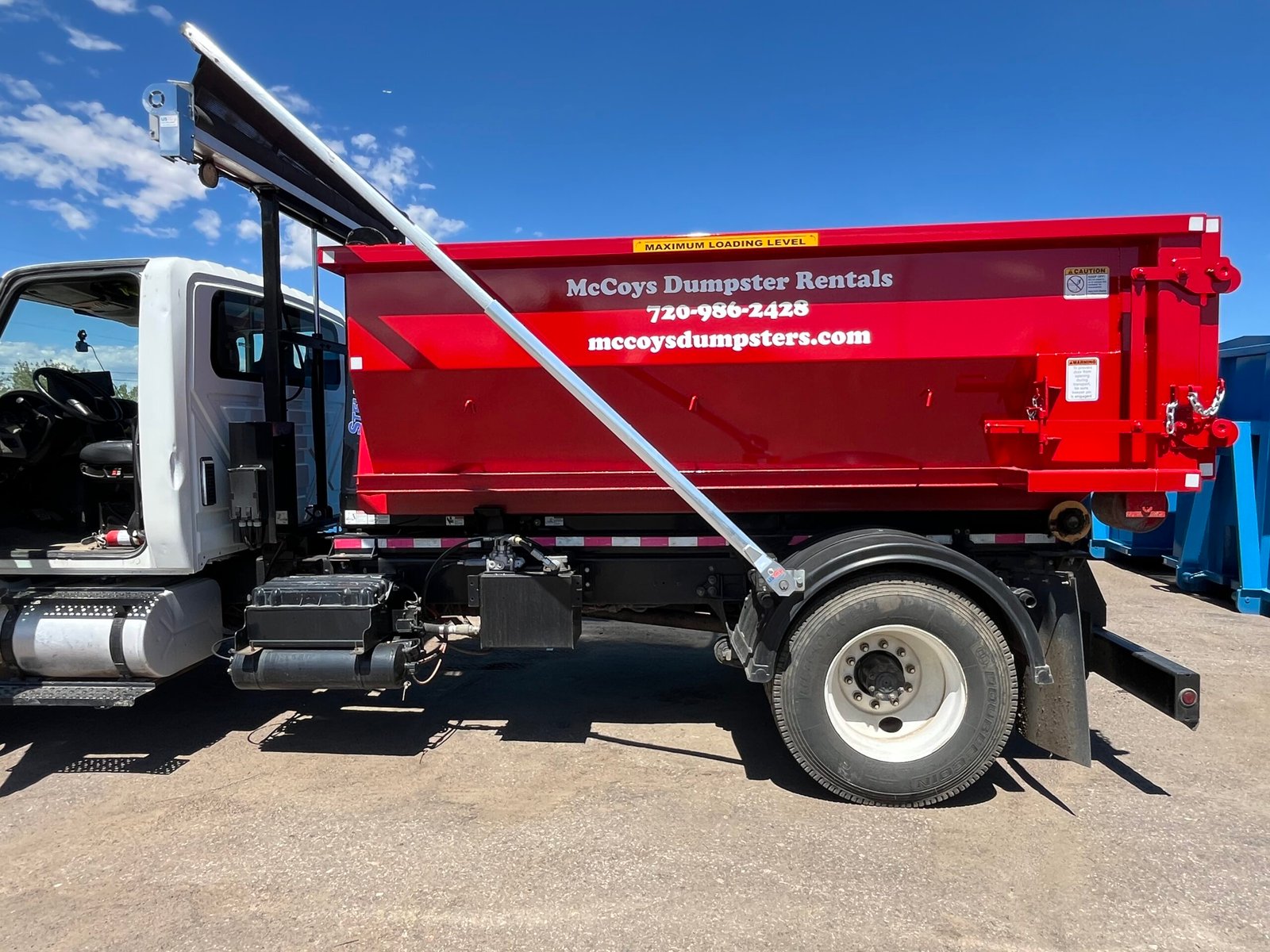
When the physical labor is too much, you can hire a professional, fully insured crew to do the heavy lifting for you. By booking the team at McCoy’s Junk Removal, you just point to the collapsed shed or the cluttered barn aisle. We bring the trucks, load the heavy debris, navigate the rusted hazards, and haul it all away so you can get back to running your farm.
Step 3: Navigating Weld County Hazardous Waste Rules
This is where farm cleanouts get tricky. The Colorado Department of Public Health and Environment (CDPHE) has incredibly strict regulations about what can go into a local landfill.
You absolutely cannot throw the following agricultural items into a rented dumpster or a junk removal truck:
Chemical Pesticides and Herbicides: Old, degraded weed killers and crop chemicals are highly toxic.
Automotive Fluids: Used tractor oil, hydraulic fluids, and antifreeze.
Lead-Acid Batteries: Old equipment batteries.
Liquid Paints and Solvents: Barn paint and chemical wood preservers.
If these items are crushed in a garbage truck, they can cause fires or leach directly into the Weld County groundwater. Fortunately, Platteville residents can safely dispose of these materials at the South Household Hazardous Waste Facility located nearby in Dacono. Always segregate these chemicals into secure, non-leaking containers and keep them far away from your general debris pile.
Ready to Reclaim Your Agricultural Property?
An overstuffed, dilapidated barn isn’t just an eyesore; it is a liability that takes up valuable acreage. By salvaging the scrap metal, strictly separating hazardous agricultural chemicals, and securing the right heavy-duty waste removal plan, you can transform a chaotic mess back into highly usable space.
Whether you need a massive 20-yard roll-off delivered to your pasture this week, or a professional crew to completely clear out a 50-year-old outbuilding, we have the local expertise and the equipment to handle the job. If you are ready to get your Platteville farm cleaned up and fully operational, contact our team today to discuss your large-scale debris removal needs!