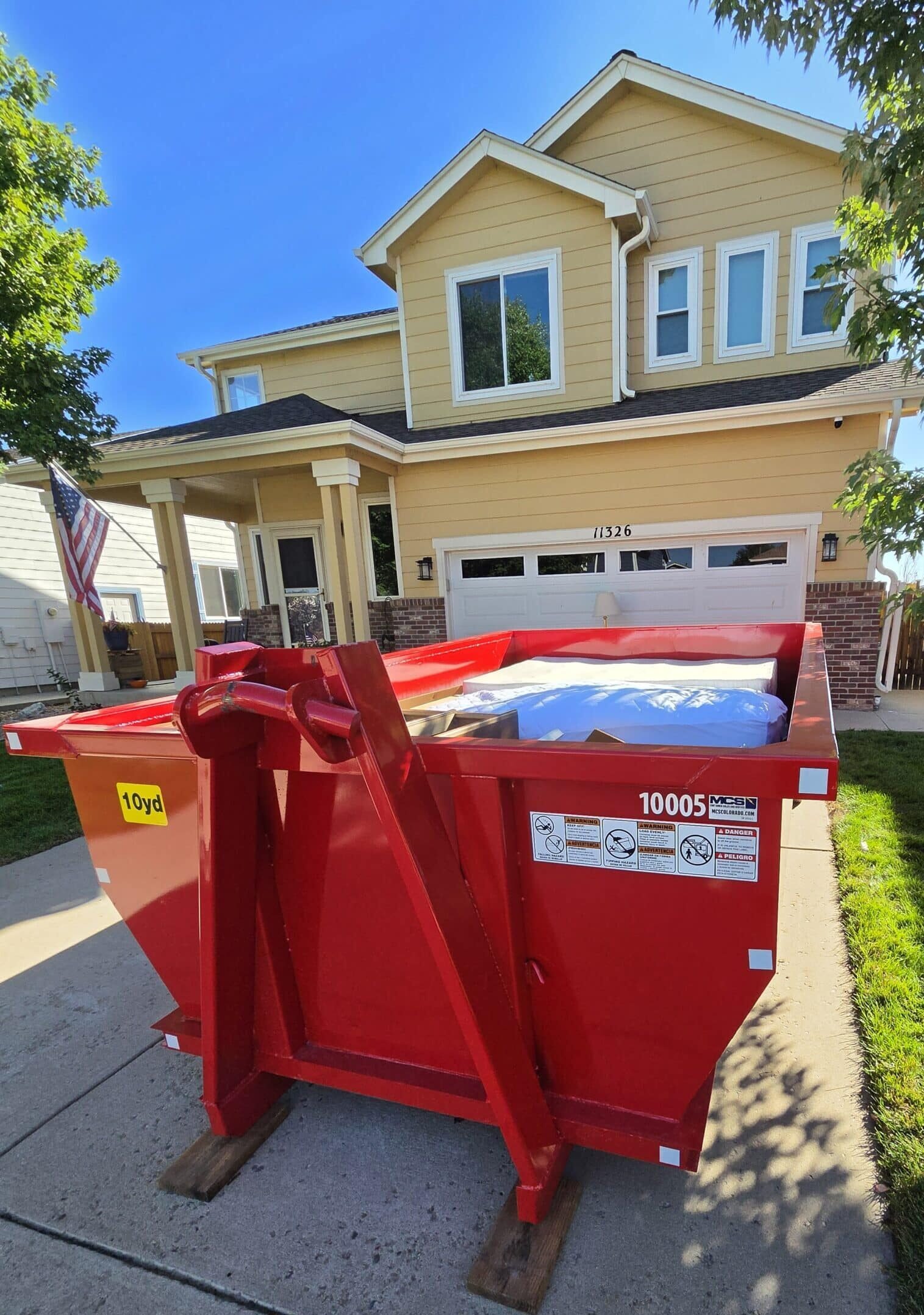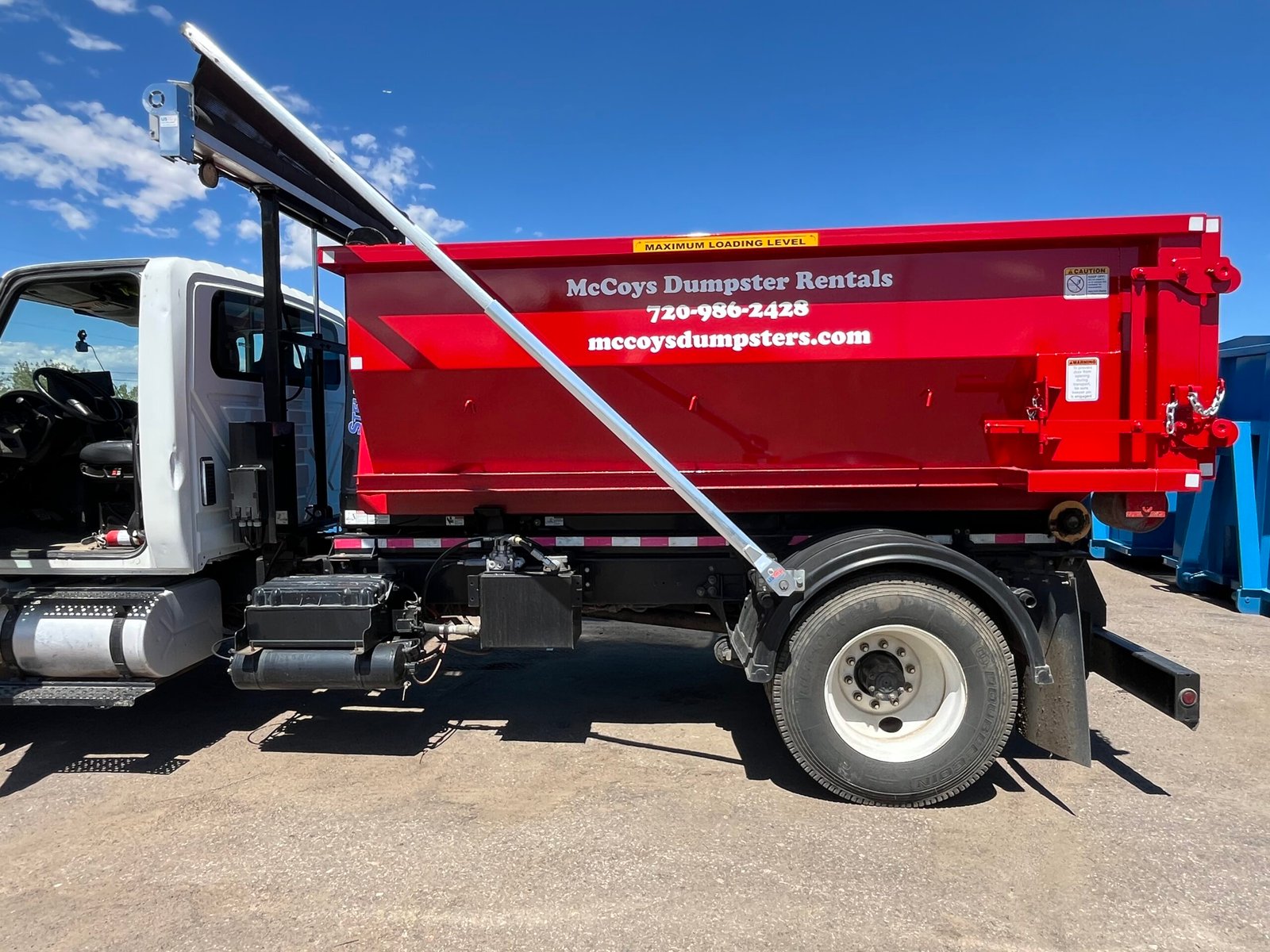
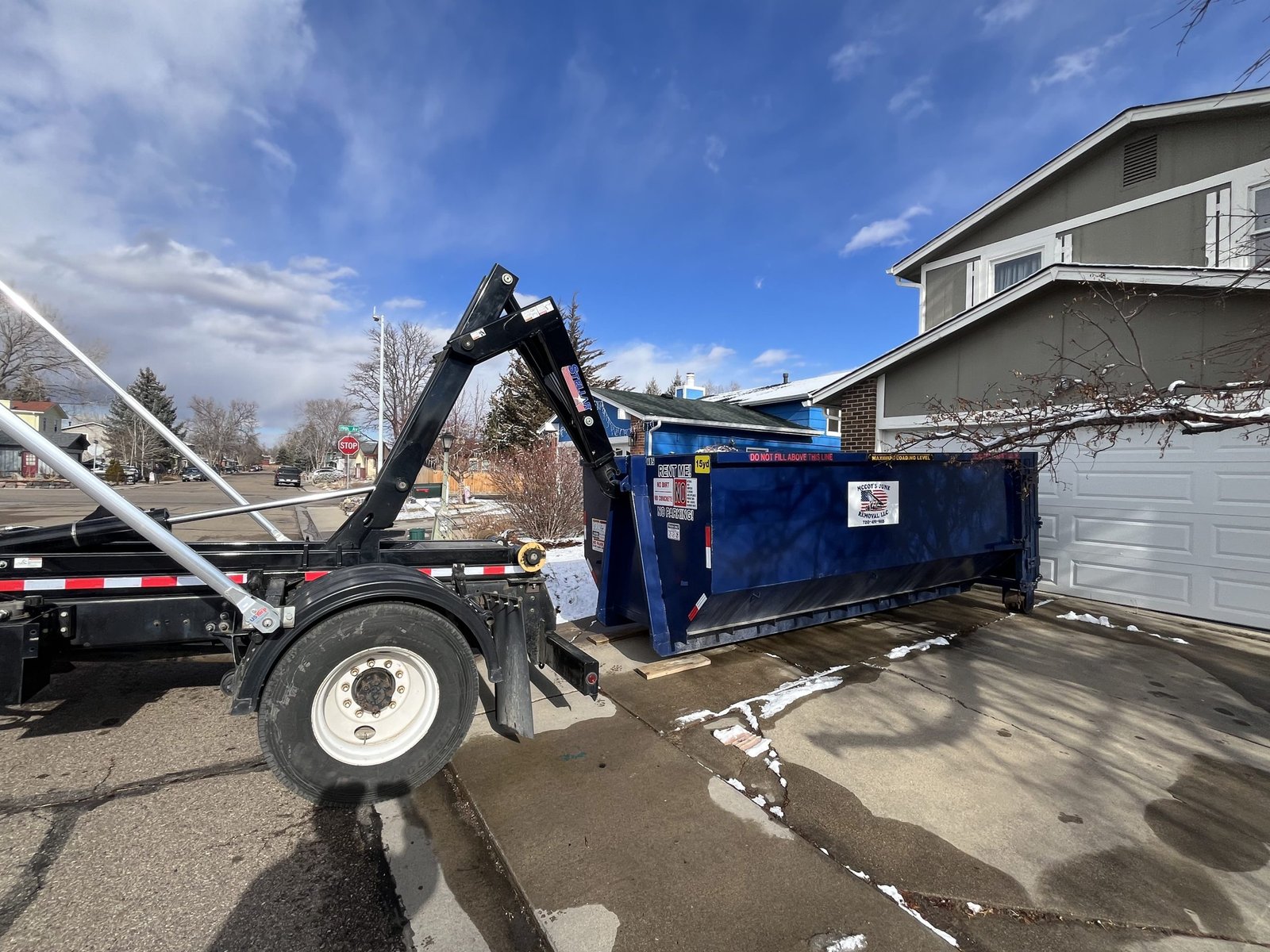
Spring in Colorado brings longer days, warmer weather, and a natural urge to reset. For many homeowners, that means tackling the garage, basement, yard, or even planning a renovation. But once the piles start growing, a common question follows: Is this a job for trash bags — or is it time to rent a dumpster?
A well-timed dumpster rental can turn an overwhelming cleanout into a structured, efficient project. Here’s how to decide when it makes sense and how to plan your spring cleanup the right way.
Step 1: Evaluate the Scope of Your Cleanout
Before renting anything, walk through your property and take inventory.
Are you clearing:
Years of stored boxes?
Old furniture or appliances?
Yard debris from winter damage?
Remodeling waste from a planned project?
If your cleanup would require more than a few pickup truck trips to the landfill, a dumpster becomes practical quickly. Multiple trips cost time, fuel, and dump fees — not to mention the physical effort of loading and unloading several times.
A good rule of thumb:
If your debris pile would fill three or more pickup loads, a dumpster is usually the smarter option.
Step 2: Identify What You’re Throwing Away
Not all cleanouts are created equal. The type of material matters just as much as the volume.
Common spring cleanout debris includes:
Household junk
Broken furniture
Old mattresses
Renovation scraps
Tree limbs and yard waste
Shed or fence removal debris
Heavier materials like concrete, roofing shingles, or dirt reach weight limits faster than general household clutter. If your project involves dense debris, planning ahead prevents overage issues and helps you select the right container size.
Also note that hazardous materials — paint, chemicals, batteries, or tires — usually require separate disposal methods.
Step 3: Know When Trash Pickup Isn’t Enough
Standard curbside trash service works well for weekly waste, but it’s not designed for bulk disposal.
Signs you’ve outgrown regular trash pickup:
You’re stacking bags beside your bins.
Your HOA has limits on bulk pickup.
You’re unsure where to dispose of oversized items.
Your cleanup will last more than one weekend.
Trying to stretch standard waste services during a major cleanout often leads to clutter sitting around longer than planned. A dumpster creates a central drop zone that keeps your property organized while you work.
Step 4: Plan Around Your Project Timeline
Spring cleanouts often expand once you get started. You begin with the garage, then move to the attic, then notice old fencing in the yard. What was meant to be a quick declutter turns into a multi-day effort.
Timing your dumpster rental properly helps you stay efficient.
Best practices:
Schedule delivery the day before you start heavy cleanup.
Avoid placing it too early — idle days reduce efficiency.
Build in flexibility if you suspect the project may grow.
Coordinate around landscaping or renovation work.
Weather also plays a role in Colorado springs. Sudden snow or rain can interrupt outdoor cleanup, so allow some cushion in your timeline.
Step 5: Consider Safety and Efficiency
Spring cleaning often involves lifting, sorting, and moving bulky materials. Without a central disposal container, debris can spread across your yard or driveway, increasing trip hazards.
A roll-off dumpster helps:
Contain debris in one location
Prevent sharp objects from being scattered
Reduce repetitive lifting and hauling
Maintain safer walkways around your home
For families with children or pets, controlled debris management becomes even more important.
Step 6: Determine If a Dumpster Saves You Time
Time is one of the biggest hidden costs of DIY hauling. Even if landfill fees seem manageable, consider:
Fuel costs
Time spent driving back and forth
Waiting in landfill lines
Manual unloading
Wear and tear on your vehicle
If your project requires several disposal trips, the hours add up quickly. A dumpster placed on your driveway eliminates that cycle and lets you focus entirely on the cleanup itself.
Step 7: Choose the Right Dumpster Size for Spring Projects
For most spring cleanouts, these general guidelines apply:
Small garage or attic cleanout → smaller container
Multi-room purge or basement overhaul → mid-size container
Whole-home cleanout or renovation → larger container
Shed removal or deck teardown → larger container with higher weight allowance
When in doubt, slightly upsizing can prevent overflow. Overfilling a dumpster is not allowed, and having to schedule a second container slows your momentum.
Step 8: Check Placement Logistics
Before delivery, confirm:
Driveway space dimensions
Overhead clearance (trees, power lines)
HOA restrictions
Whether street placement requires a permit
Most homeowners prefer driveway placement to avoid permit requirements and keep the project simple.
When Renting a Dumpster Makes the Most Sense
You should strongly consider renting a dumpster for your spring cleanout if:
Your debris exceeds a few pickup loads.
You’re removing furniture, renovation materials, or yard waste in bulk.
You want to complete the project in one focused effort.
You value time efficiency over multiple landfill trips.
You’re combining cleanup with remodeling or landscaping.
Spring is about resetting your space — inside and out. Having the right disposal plan in place allows you to clear clutter decisively rather than dragging the process out over weeks.
A structured cleanup with the right dumpster size turns what feels overwhelming into a manageable, organized project. And once the debris is gone, the reward is immediate: more space, less clutter, and a fresh start for the season.