Choosing the right dumpster size can make or break your project. Too small, and you risk overflow or needing a second container. Too large, and you may be paying for space you don’t need. The key is understanding your debris volume, material type, and project scope before you schedule delivery.
Below is a practical breakdown of our available dumpster sizes to help you confidently select the right fit.
9 Yard Dumpster: Ideal for Small Cleanouts and Minor Projects
Dimensions: 10’L x 6’W x 4’H
Capacity: About 3.5 pickup truck loads or 50–60 garbage bags
Weight Limit: 2,000 lbs (1 ton)
The 9 yard dumpster is a smart choice for smaller-scale jobs. If you’re cleaning out a garage, decluttering a basement, or handling a small landscaping refresh, this size typically offers enough capacity without taking up too much driveway space.
Because it’s compact, it works well in tighter residential areas where space is limited. It’s also a practical option for minor renovation work such as replacing flooring in a single room or removing cabinets from a small kitchen.
However, heavy materials like shingles or concrete can quickly reach the weight limit, even if the container isn’t full. If your project includes dense debris, you’ll want to factor that into your decision.
Best for:
Garage or attic cleanouts
Small bathroom remodels
Yard debris removal
Light renovation waste
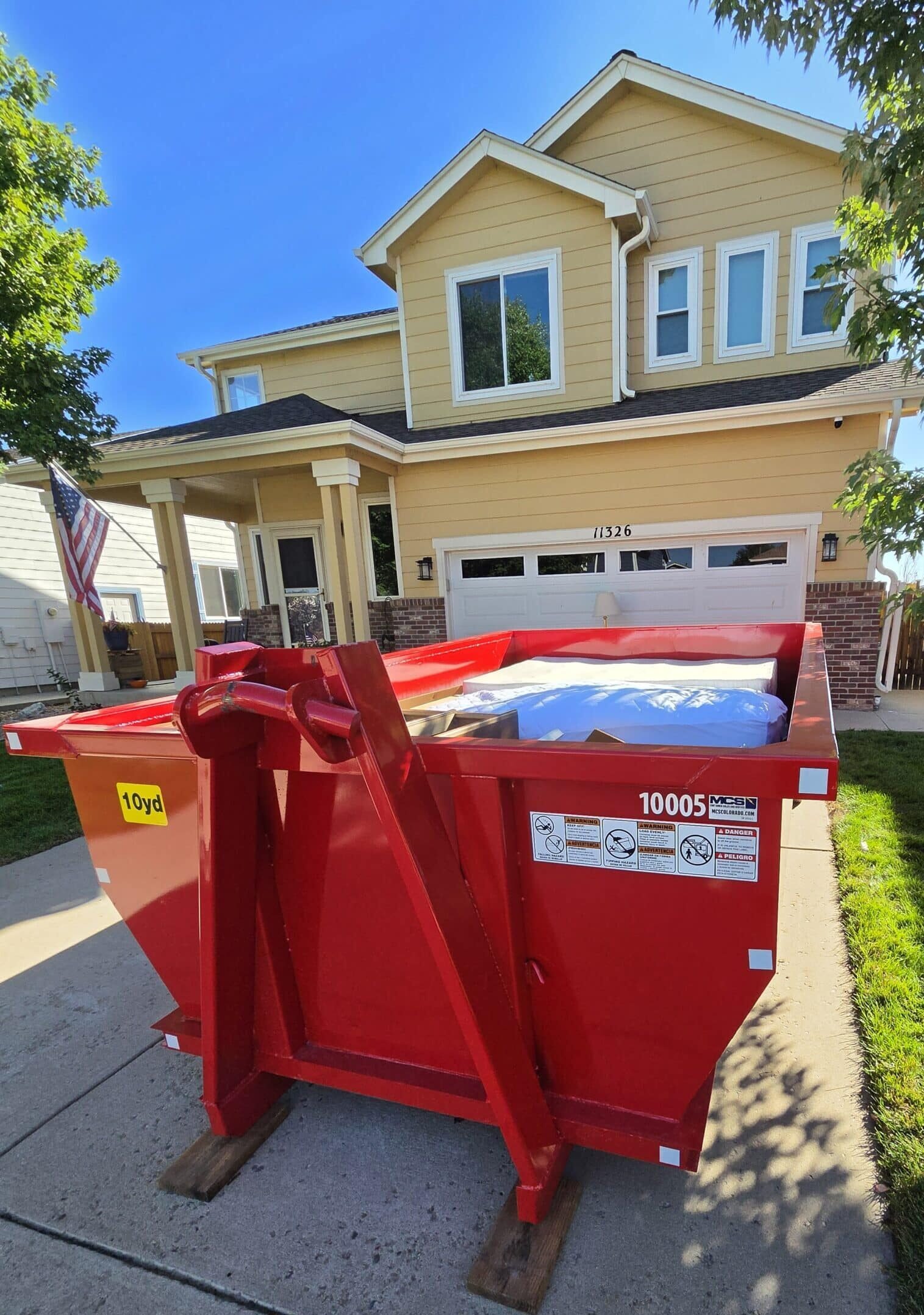
10 Yard Dumpster: A Step Up for Mid-Size Residential Jobs
Dimensions: 11’L x 7’W x 4’H
Capacity: About 4.5 pickup truck loads or 65–75 garbage bags
Weight Limit: 2,000 lbs (1.5 tons)
The 10 Yard dumpster is often the sweet spot for homeowners. It offers slightly more capacity than the 9 yard without dramatically increasing the footprint.
This size is popular because it handles most moderate home projects comfortably—think small deck removal, multiple-room cleanouts, or medium-sized remodeling work. If you’re unsure whether a 9 yard will be enough, the 10 Yard often provides that extra margin of flexibility.
It’s especially helpful when you expect debris to accumulate gradually over several days rather than all at once.
Best for:
Multi-room cleanouts
Small deck removal
Roofing projects on smaller homes
Medium remodeling projects
15 Yard Dumpster: For Larger Renovations and Construction Debris
Dimensions: 14’L x 8’W x 4.5’H
Capacity: About 6 pickup truck loads or 90–110 garbage bags
Weight Limit: 2,500 lbs (3 tons)
The 15 yard dumpster is a strong option for larger residential renovations or contractor-led jobs. It provides significantly more volume while still being manageable on most driveways.
If you’re remodeling a full kitchen, tearing out multiple rooms of flooring, or handling a large estate cleanout, this size helps reduce the risk of overfilling. It’s also well-suited for projects involving bulky items like furniture, drywall, or cabinetry.
Contractors often choose the 15 yard when they anticipate steady debris output over the course of a renovation.
Best for:
Full kitchen remodels
Large basement or estate cleanouts
Flooring removal across multiple rooms
Siding or window replacement projects
20 Yard Dumpster: Built for Major Projects
Dimensions: 16’L x 8’W x 5.5’H
Capacity: About 8 pickup truck loads or 120 garbage bags
Weight Limit: 4,000 lbs (3 tons)
When you’re dealing with substantial debris volume, the 20 yard dumpster offers the space to keep things moving efficiently.
This size works well for major home renovations, larger roofing jobs, construction builds, or demolition work. It’s also ideal when you want to avoid the possibility of swapping containers mid-project.
The taller side walls allow for stacking lighter debris higher, which can be helpful for bulky materials. Just remember that weight matters as much as volume—heavy debris should be distributed evenly and kept within the weight allowance.
Best for:
Whole-home renovations
Large roofing projects
Construction and demolition
Significant landscaping overhauls
How to Decide Between Sizes
When choosing your dumpster, ask yourself a few practical questions:
1. How Much Debris Will You Generate?
Think in terms of pickup truck loads. If your project would require multiple landfill trips, a larger dumpster may save time and effort.
2. What Type of Materials Are You Disposing Of?
Dense materials such as concrete, brick, and shingles reach weight limits quickly. Lighter materials like household junk, drywall, or yard waste take up space but weigh less.
3. Do You Want a Buffer?
It’s common for projects to expand once they begin. Having slightly more capacity than you think you need can prevent overfilling or needing an additional container.
4. How Much Space Do You Have for Placement?
Make sure you measure your driveway or designated drop area. Consider overhead clearance and ease of access for loading.
Common Mistakes to Avoid
Underestimating debris volume: Running out of space slows down progress.
Ignoring weight limits: Overweight loads can lead to additional handling issues.
Stacking above the rim: Dumpsters must be filled level for safe transport.
Waiting too long to schedule: Planning ahead keeps your timeline intact.
Still Not Sure? Here’s a Practical Rule of Thumb
Small cleanout → 9 yard
Medium residential project → 10 Yard
Larger renovation → 15 yard
Major construction or demolition → 20 yard
If you’re between two sizes, it’s often smarter to size up—especially if your project scope could expand.